


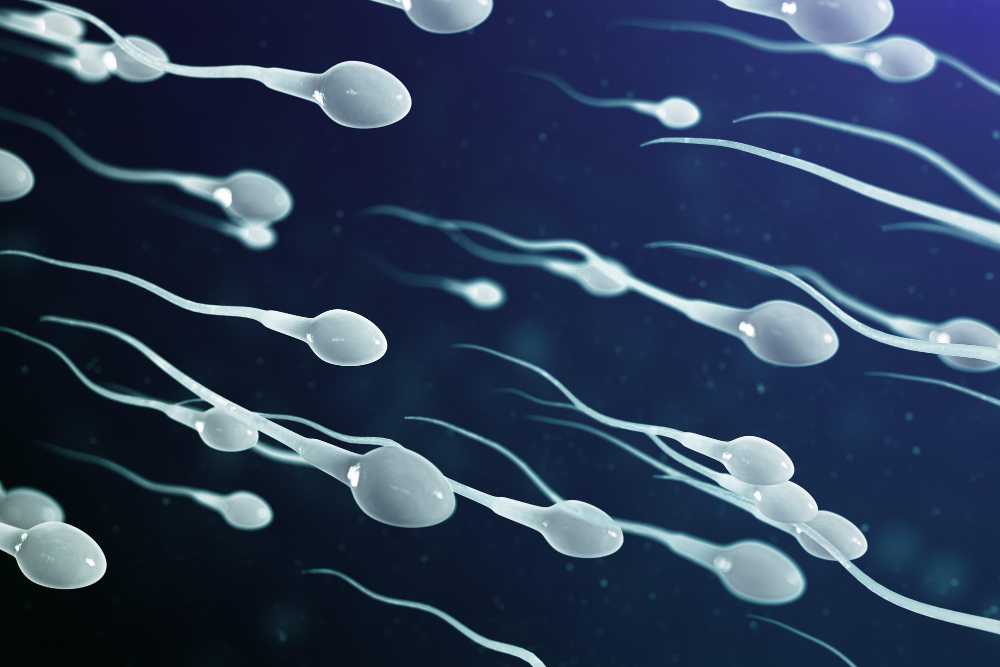
Aspermia and azoospermia are two of the most often confused diagnoses in male infertility. The two are essentially different conditions with different causes, different studies and, most importantly, different lines of male infertility treatment in Noida.
In case either you or your partner has been diagnosed with either of the above-mentioned diagnoses, the first step towards finding the right solution with the best embryologist doctor in your case is to understand the difference between the two above-mentioned diagnoses.
What Is Aspermia?
Aspermia is the complete absence of ejaculate. The man is having an orgasm, but no semen at all. This should not be confused with a low semen volume; ‘aspermia’ translates to zero ejaculate.
The most prevalent is retrograde ejaculation, in which the semen flows backwards into the bladder rather than flowing forward through the urethra. Other causes include:
- Ejaculatory duct obstruction
- Neurological disorders that involve the ejaculatory reflex.
- Difficulties of prostate or bladder surgery.
- Some drugs, such as alpha-blockers and antipsychotics.
Aspermia is diagnosed when a post-orgasm urine test shows sperm in the bladder, confirming retrograde ejaculation as the mechanism.
What Is Azoospermia?
Azoospermia is the total lack of sperm in the ejaculate. Unlike aspermia, semen is produced, but when analysed under a microscope, no sperm cells are found. It occurs in about 1% of all men and up to 10-15% of all men who are infertile in the world.
There are two types of azoospermia:
- Obstructive Azoospermia (OA): The sperm are now being produced normally in the testes, but a blockage in the vas deferens, epididymis or ejaculatory duct prevents them from reaching the ejaculate. Some causes are previous vasectomy, infections and congenital absence of the vas deferens (CBAVD).
- Non-Obstructive Azoospermia (NOA): There is a failure or absence of sperm production itself. It is caused by hormonal imbalances, genetic disorders (Klinefelter syndrome), previous chemotherapy, and testicular failure.
Aspermia vs. Azoospermia: Key Differences at a Glance
| Factor | Aspermia | Azoospermia |
| Ejaculate present? | No | Yes |
| Sperm in ejaculate? | Not applicable | No |
| Primary cause | Retrograde ejaculation / obstruction | Obstruction or testicular failure |
| Diagnosis confirmed by | Post-orgasm urine analysis | Semen analysis × 2 + hormonal panel |
| Sperm production | Usually intact | May or may not be intact |
Treatment Options for Each Condition
Aspermia
In the case of retrograde ejaculation, it is possible to retrieve sperm directly into the post-orgasm urine after alkalinisation, a procedure that is regularly done at our Noida clinic. These sperm are then utilised in IUI or ICSI based on the quality and quantity. In cases of ejaculatory duct obstruction, surgery can be used to repair the obstruction and restore normal ejaculation.
Obstructive Azoospermia
Surgical sperm retrieval, via PESA (Percutaneous Epididymal Sperm Aspiration) or TESE (Testicular Sperm Extraction), is very effective. A 2019 study in Human Reproduction confirmed that the success rates of sperm retrieval in cases of obstructive azoospermia were more than 90%. In the cases of obstructive azoospermia, strong ICSI fertilisation rates were observed.
Non-obstructive Azoospermia
The treatment is more complicated. Microdissection TESE (micro-TESE) has the highest sperm retrieval rates in NOA, identifying focal areas of spermatogenesis within the testis. ICMR guidelines suggest that hormonal stimulation before micro-TESE in select hypogonadal patients can be used to maximise retrieval results.
Frequently Asked Questions
Can a man with azoospermia father a biological child?
Yes, especially in cases of obstruction, where sperm retrieval followed by ICSI has good chances of success. In non-obstructive azoospermia, micro-TESE will retrieve usable sperm in 40-60% of the cases when performed by an experienced embryologist.
Is a single semen analysis enough to diagnose azoospermia?
No. Before azoospermia is established, at least two semen analyses under standardised conditions, including centrifugation of the sample, are necessary. One outcome cannot ever be enough in the diagnosis or treatment planning.
How do I know which type of azoospermia I have?
A hormonal panel (FSH, LH, and testosterone), scrotal ultrasound, and genetic testing (karyotype and Y-chromosome microdeletion), along with a clinical examination, help to distinguish between obstructive and non-obstructive azoospermia with high accuracy.
Aspermia and azoospermia are both treatable, but they require very different clinical approaches. Dr Ram Prakash and his team at embryologist.co.in provide a complete male infertility treatment in Noida, including advanced diagnostics, surgical sperm retrieval and ICSI, the most informed, evidence-based route to parenthood.