


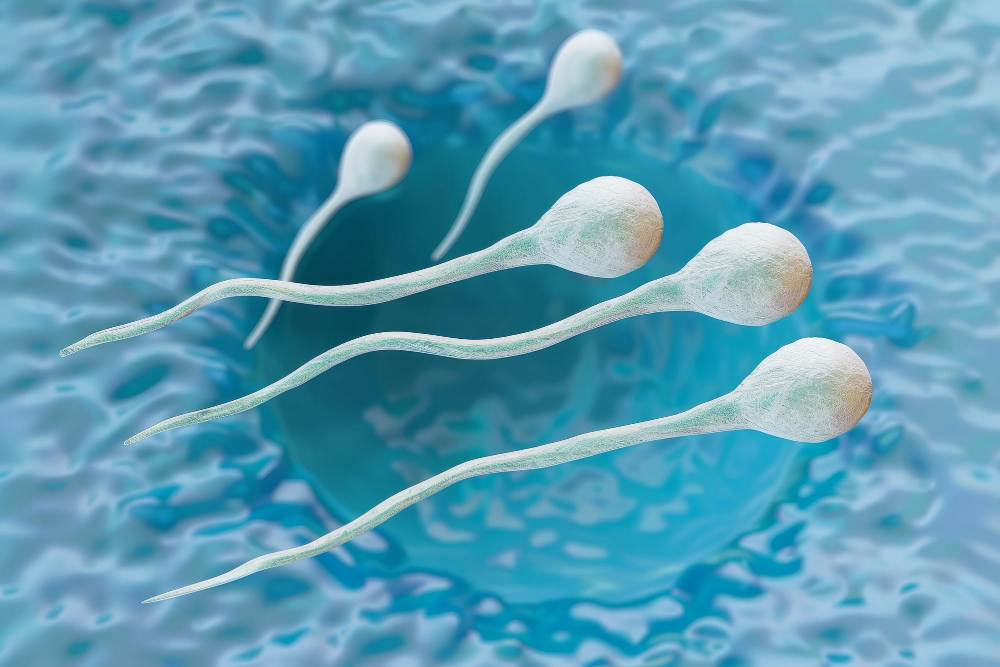
A semen analysis that shows all, or almost all, of the sperm are non-motile is usually a diagnosis of necrozoospermia. This outcome may be devastating to couples who are attempting to conceive. But necrozoospermia is not the end of the fertility road. With the correct diagnosis and the appropriate male infertility treatment in Noida, numerous men with this condition have gone on to have biological children.
What Is Necrozoospermia?
Necrozoospermia is a disease where 100%, or a very high percentage, of the sperm in the ejaculate are dead at the time of examination. It is different from asthenozoospermia, whereby there is the presence of sperm, but they are just immotile. In necrozoospermia, the sperm cells no longer possess membrane integrity and cannot be reanimated.
The HOS (hypoosmotic swelling) test or live-dead staining is used to confirm diagnosis, a method that differentiates between truly dead sperm and those that are immotile but alive. This difference is clinically important since immotile-but-viable sperm can still be successfully used in ICSI.
What Causes Necrozoospermia?
The disorder may be a result of a number of underlying causes:
- Long-term abstinence: Sperm stored excessively in the reproductive tract exhibit increased cell death.
- Genital tract infections: Bacterial infections such as E. coli and Chlamydia are closely linked with sperm death.
- Varicocele: Enlarged veins in the testicles, which increase the temperature of the scrotum and reduce the viability of sperm.
- Oxidative stress: An excess of reactive oxygen species (ROS) damages sperm membranes, which is a common observation in men with lifestyle-related infertility.
- Testicular dysfunction: Such as diseases that involve the maturation of sperm in the epididymis.
- Spinal cord injuries: They may impair ejaculatory control and sperm storage.
In clinical practice, infections and oxidative stress explain most cases of necrozoospermia observed in our Noida patient base, many of which are entirely reversible with specific treatment.
How Does It Affect Fertility?
Dead sperm cannot in any way fertilise an egg. Nonetheless, necrozoospermia does not imply that the production of sperm has failed. In most cases, viable sperm may be obtained directly out of the testis, bypassing the conditions in the ejaculate that are causing cell death.
In a 2021 review in Andrologia, testicular sperm extraction (TESE) and ICSI were confirmed to be viable in men with ejaculatory necrozoospermia, with fertilisation rates comparable to other cases of male factor.
Treatment Options
Step 1: Determine the cause. Before any treatment is started, a full male fertility workup (including semen culture, scrotal ultrasound, hormonal panel, and ROS testing) is required.
Step 2: Reverse reversible causes. Specific antibiotics are used to treat infections. Varicocele is surgically repaired. Oxidative damage countered by the initiation of antioxidant supplementation (Vitamin E, CoQ10, and Lycopene) is initiated.
Step 3: Decrease the abstinence period. In the cases associated with long-term abstinence, a fresh sample after only 1-2 days is commonly associated with a dramatic increase in sperm viability.
Step 4: Testicular sperm retrieval + ICSI. Where ejaculatory sperm are non-viable following treatment, TESE enables the recovery of sperm directly out of testicular tissue to be used in ICSI, providing a clear alternative to biological parenthood.
Frequently Asked Questions
Can necrozoospermia be cured permanently?
Yes, in most instances, especially when the underlying cause is an infection or lifestyle. The structural causes, such as varicocele, are also able to respond well to surgical correction. The results are very much reliant on the ability to pinpoint the underlying trigger.
Is ICSI successful with testicular sperm in necrozoospermia?
Yes. The fertilisation and pregnancy rates when viable sperm are retrieved using TESE and used in ICSI are clinically meaningful, especially when an expert embryologist with skills in sperm selection performs it.
Should I repeat the semen analysis before assuming the diagnosis?
Absolutely. One abnormal outcome is never enough to make a diagnosis of necrozoospermia. A treatment plan is initiated only after at least two analyses, performed under standardised conditions, are done.
Necrozoospermia can be diagnosed, treated and, in most cases, completely reversed. When your semen report has raised concerns, the team of Dr Ram Prakash will provide you with a comprehensive male infertility treatment in Noida and get a clear, evidence-based way forward.